
en es

What are the Benefits of PTFE Expansion Joints for Industries?

PTFE Expansion Joints are vital components in various industrial applications. These joints support flexibility and movement in piping systems. Their unique properties make them suitable for harsh environments. PTFE, or polytetrafluoroethylene, offers superior chemical resistance. This quality enhances the longevity of industrial equipment.

Industries like chemical processing and oil refining benefit greatly. PTFE Expansion Joints can endure extreme temperatures and pressure changes. Being lightweight and easy to install is an added bonus. Companies often report reduced maintenance costs. This efficiency can lead to higher productivity. However, users must assess their specific needs. Not all installations may benefit equally from PTFE.

Incorporating PTFE Expansion Joints can improve system reliability. Careful evaluation ensures optimal performance. Awareness of potential limitations is crucial. Improper installation can lead to issues. Balancing advantages with practical application is essential.
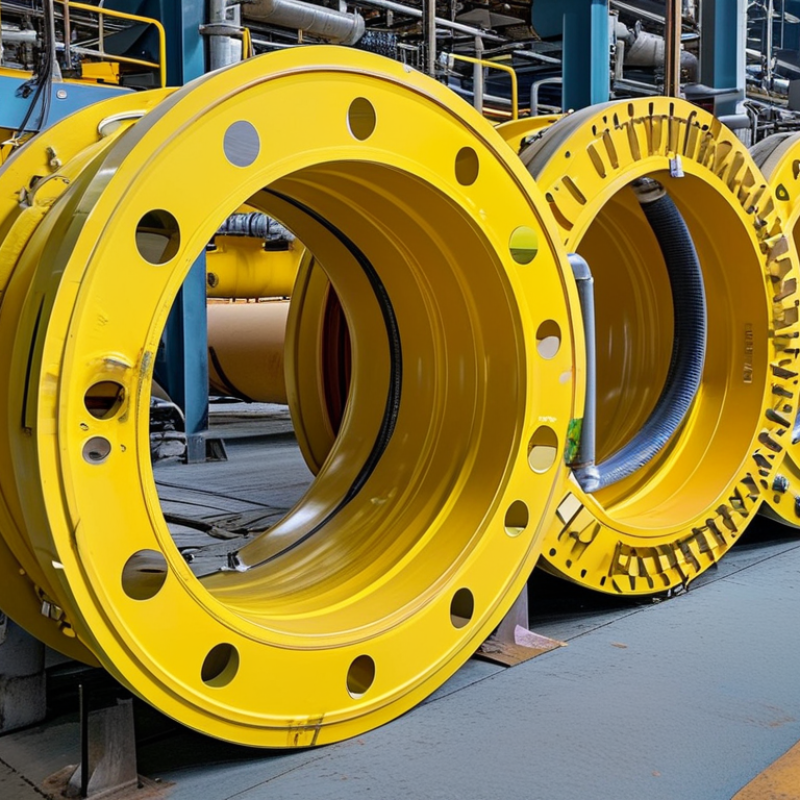
What are the Benefits of PTFE Expansion Joints for Industries?

Benefits of PTFE Expansion Joints in Industrial Applications

PTFE expansion joints are widely used in industrial applications due to their unique properties. These joints are made from polytetrafluoroethylene, which is resistant to chemicals and high temperatures. This resistance helps reduce the risk of leaks in pipelines. Industries rely on PTFE expansion joints to maintain efficiency and safety.

One major benefit is flexibility. PTFE expansion joints can absorb vibrations and thermal expansion, which is critical in dynamic systems. They provide a solution for systems that undergo constant pressure changes. This flexibility also helps extend the lifespan of equipment, reducing maintenance costs.

**Tips:** Ensure proper installation to maximize performance. Regular inspections can catch issues before they escalate.

Another aspect is their excellent sealing capability. PTFE provides a tight seal, which minimizes the risk of process media leaking. This feature is vital in industries such as chemicals and pharmaceuticals, where purity and safety are paramount. However, it’s essential to verify compatibility with specific media before implementation.

**Tips:** Conduct compatibility tests when selecting materials. Consult with experts for best practices.

Enhanced Flexibility and Movement in Piping Systems

PTFE expansion joints are crucial for modern piping systems. They provide enhanced flexibility and movement, allowing for better alignment under dynamic conditions. Industries like chemical processing and oil and gas see significant advantages from these joints. According to a report by the Global Expansion Joints Market, the demand for PTFE expansion joints is increasingly driven by their ability to absorb vibrations and thermal fluctuations.

In piping systems, flexibility is vital. PTFE expansion joints can accommodate movements caused by thermal expansion, pressure fluctuations, and equipment vibrations. This capability helps in reducing stress on pipes, thereby potentially lowering maintenance costs. Data from the American Society of Mechanical Engineers indicates that improper movement compensation can lead to structural failures in over 30% of piping systems.

Installation of PTFE joints might seem straightforward, but improper alignment can lead to premature failure. Regular inspections and maintenance are necessary to ensure long-term performance. Real-world cases have shown that many installations overlook the importance of proper configuration, resulting in leaks or operational inefficiencies. By focusing on these details, industries can harness the full benefits of PTFE expansion joints.

Resistance to Corrosive Chemicals and High Temperatures

PTFE expansion joints are essential in industrial applications, particularly for their exceptional resistance to corrosive chemicals and high temperatures. These joints are constructed from polytetrafluoroethylene, a material recognized for its low friction and chemical inertness. According to industry reports, PTFE can withstand temperatures up to 260°C (500°F) and is resistant to nearly all chemicals, making it preferable in aggressive environments. This resistance is crucial for industries like chemical processing, where equipment often interacts with harsh substances.

Moreover, the flexibility of PTFE expansion joints allows for movement and misalignment in piping systems. This characteristic can significantly reduce stress on connected equipment, potentially increasing the lifespan of systems. In areas where thermal expansion occurs, these joints act as buffers, absorbing stress from temperature fluctuations. It's estimated that using PTFE joints can cut maintenance costs by up to 30% due to reduced wear and tear on equipment.

Tip: Regular inspection of expansion joints can help identify wear early. Monitoring the joints can save time and money by preventing unexpected failures.

It's essential to consider the specific chemical environment when selecting PTFE joints. While they are highly resistant, certain conditions may degrade performance over time. Collaborating with experienced engineers can help in making informed choices for durable and effective solutions.

Reduction of Noise and Vibration in Industrial Processes

PTFE expansion joints play a crucial role in industrial processes, particularly in reducing noise and vibration. These joints are designed to absorb movements in piping systems. According to a recent report by the International Journal of Industrial Engineering, nearly 20% of all industrial machinery failures stem from vibrations. This highlights the importance of effective damping solutions, such as PTFE expansion joints.

Applications in various sectors, including petrochemical and power generation, benefit from using these joints. When installed properly, PTFE expansion joints can reduce noise levels by up to 30 decibels. This not only fosters a more comfortable work environment but also helps protect sensitive equipment from excessive vibrations. Vibrations can lead to wear and tear, increasing maintenance costs over time.

Some industries report noticeable performance improvements after integrating PTFE expansion joints. For example, facilities have seen a 15% reduction in downtime due to equipment failures associated with vibrations. While these benefits are clear, it’s worth noting that improper installation or selection can lead to issues, such as leaks or decreased flexibility. Regular evaluations of joint performance are essential to ensure optimal functionality.

Cost Savings and Extended Equipment Lifespan with PTFE Joints

PTFE expansion joints offer significant cost savings for various industries. These joints are not only durable but also highly resistant to chemicals and temperature changes. This resistance translates to lower maintenance costs. Regular repairs due to wear and tear can be a budget drain. With PTFE joints, fewer replacements are required, reducing overall expenditure.

Another major benefit is the extended lifespan of equipment. By absorbing vibrations and movements, PTFE joints prevent stress on other components in the system. This stress reduction can lead to fewer breakdowns. Over time, equipment performs better and lasts longer. It is important to note, however, that improper installation can negate these advantages. Regular inspections are crucial to ensure they function as intended.

While PTFE joints present clear benefits, challenges exist. Industries may face initial costs associated with adopting new materials. Training staff for proper installation and maintenance is also necessary. Nonetheless, embracing PTFE expansion joints can yield substantial long-term advantages, making them a wise investment for many businesses.

Benefits of PTFE Expansion Joints for Industries

Benefit Description Impact on Cost Equipment Lifespan Extension
Flexibility PTFE expansion joints allow for movement in pipelines, accommodating thermal expansion and contractions. Reduces maintenance costs by preventing damage due to thermal stresses. Helps increase the lifespan of associated equipment by reducing stress and wear.
Corrosion Resistance PTFE is highly resistant to corrosive chemicals, ensuring long-term durability in harsh environments. Lowers the frequency of replacements, leading to significant savings over time. Prevents equipment degradation, extending service intervals and overall lifespan.
Reduced Noise and Vibration The design of PTFE joints dampens vibrations and noise, enhancing operational conditions. Improves workplace safety and comfort, potentially reducing costs related to health and safety regulations. Promotes a smoother operation, thereby extending the life of connected machinery.
Ease of Installation PTFE joints are lightweight and easier to handle, leading to faster installation times. Reduces labor costs during installation and maintenance. Minimizes downtime during installation, effectively prolonging equipment life by ensuring minimal disruption.
Get a quote
Open chat
1
Hi! How can we help you?
Chat with Pelican Containers