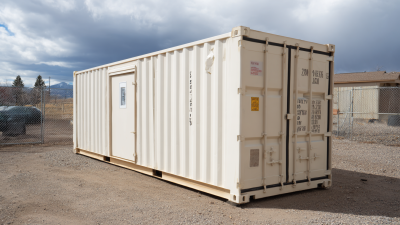
In today's global market, the efficient transport of temperature-sensitive products is paramount for businesses aiming to maintain quality and safety. The use of insulated shipping containers has emerged as a vital solution, addressing the challenges associated with fluctuating temperatures during transit. These specialized containers are designed to provide a protective barrier against external temperature variations, ensuring that products such as pharmaceuticals, perishable foods, and sensitive electronics remain within an optimal temperature range. Understanding the benefits of using insulated shipping containers not only helps businesses mitigate the risks of spoilage and degradation but also enhances customer satisfaction by guaranteeing the integrity of their products upon delivery. As industries continue to prioritize sustainability and efficiency, the insulated shipping container stands out as a crucial tool for securing reliable, temperature-controlled logistics worldwide.
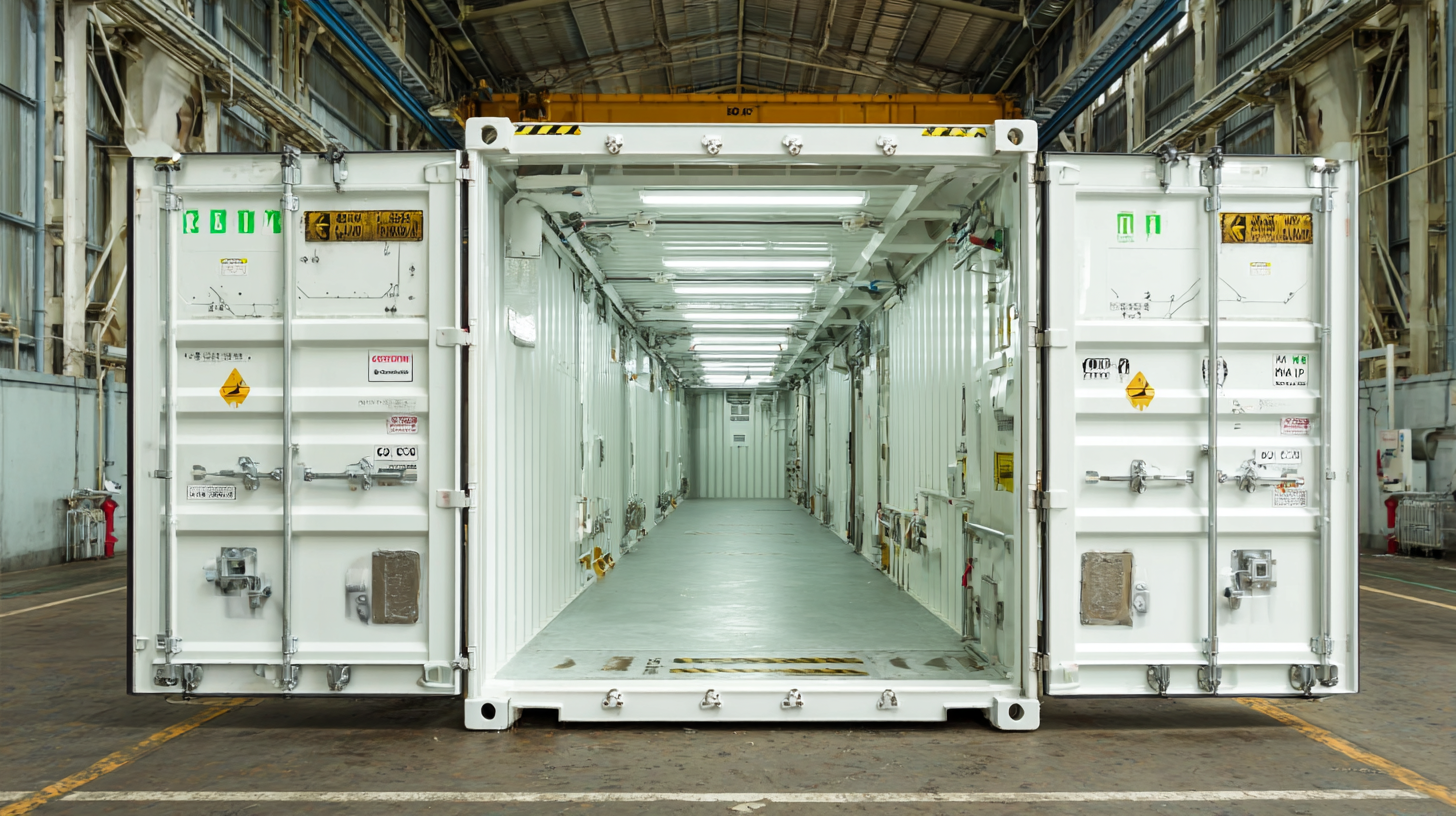
Insulated shipping containers play a crucial role in maintaining the integrity of temperature-sensitive products during transportation. One of the primary benefits of these containers is their ability to provide consistent temperature control. By minimizing thermal exchange with the external environment, insulated containers help preserve the quality and safety of items such as pharmaceuticals, perishable foods, and electronics. This is particularly important for products that require strict temperature ranges to ensure efficacy and prevent spoilage.
Another significant advantage is the reduction of energy costs associated with temperature management. Insulated containers are designed to retain heat or cold, requiring less energy input from refrigeration systems. This efficiency not only lowers operational costs for businesses but also supports sustainability efforts by reducing overall energy consumption. Additionally, insulated shipping containers can enhance the competitiveness of companies by ensuring timely delivery of products in optimal condition, thereby improving customer satisfaction and reducing the likelihood of product returns due to temperature-related issues.
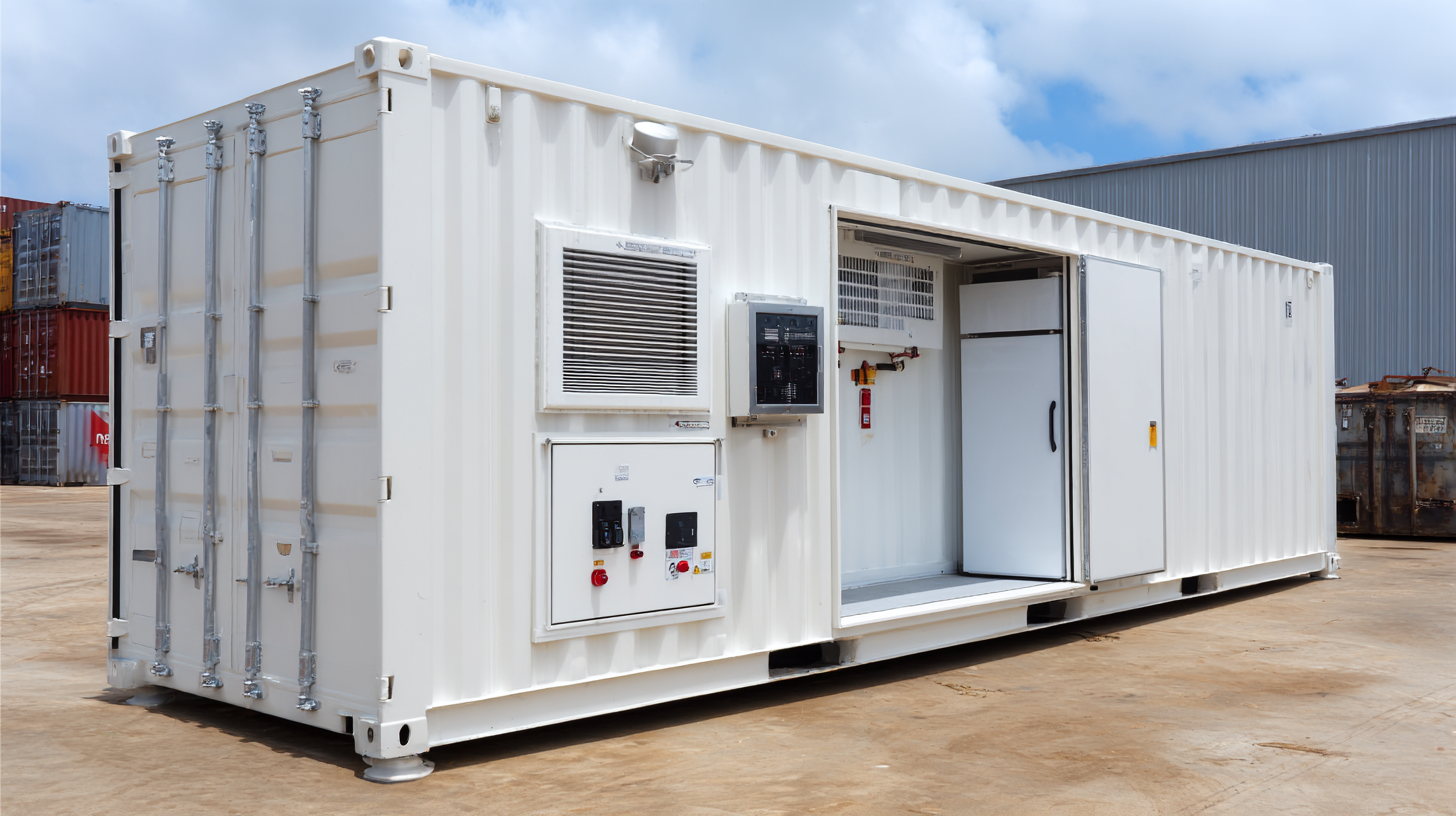
When it comes to shipping temperature-sensitive products, insulated shipping containers play a crucial role in maintaining product integrity. When selecting insulated shipping containers, there are several key features to consider. First, the thermal performance is paramount. Look for containers with high R-value insulation, as this indicates better temperature retention. According to a recent industry report by the International Association of Refrigerated Warehouses, insulated containers can reduce temperature fluctuations by up to 40% over traditional shipping methods.
Additionally, the type of insulation material is essential. Materials such as polyurethane or expanded polystyrene provide superior insulation compared to traditional materials. As per the Food and Drug Administration's guidelines, maintaining a consistent temperature during transit is vital to ensure product safety, particularly for pharmaceuticals and perishable goods.
**Tips:** Always verify the temperature tolerance range of the container. It’s also beneficial to consider containers with built-in temperature monitoring systems for real-time tracking. Finally, selecting containers with sturdy construction will ensure durability during long-haul shipments. These features will not only safeguard your products but also enhance customer satisfaction through reliable delivery conditions.
When packing temperature-sensitive products, best practices are crucial to ensuring the integrity and effectiveness of the items being shipped. As the demand for insulated shipping containers grows—projected to reach $26.06 billion in the smart packaging market by 2025, expanding to $40.2 billion by 2032 at a compound annual growth rate of 6.32%—companies must prioritize optimal packing methods. Effective use of insulated shipping containers not only helps maintain the correct temperature but also reduces spoilage and waste, which can significantly impact bottom lines.
To maximize the benefits of insulated shipping, it is essential to utilize high-quality insulation materials and to ensure that products are adequately cushioned to prevent damage during transit. Proper layering techniques can also safeguard against temperature fluctuations. Implementing RFID technology can further enhance the tracking and monitoring of conditions throughout the shipping process, ensuring that temperature-sensitive products maintain their integrity and quality from point of origin to destination. As regulations like FSMA 204 come into play, the integration of such technology will become increasingly vital for the food and pharmaceutical industries, setting a new standard for best practices in packaging and shipping.
When selecting the right insulated shipping container for temperature-sensitive products, it’s crucial to consider several factors to ensure optimal performance. Begin by assessing the temperature range required for your specific products. Different containers are designed for various thermal conditions, so understanding whether your products need to be kept frozen, refrigerated, or at room temperature will help in narrowing down your options.
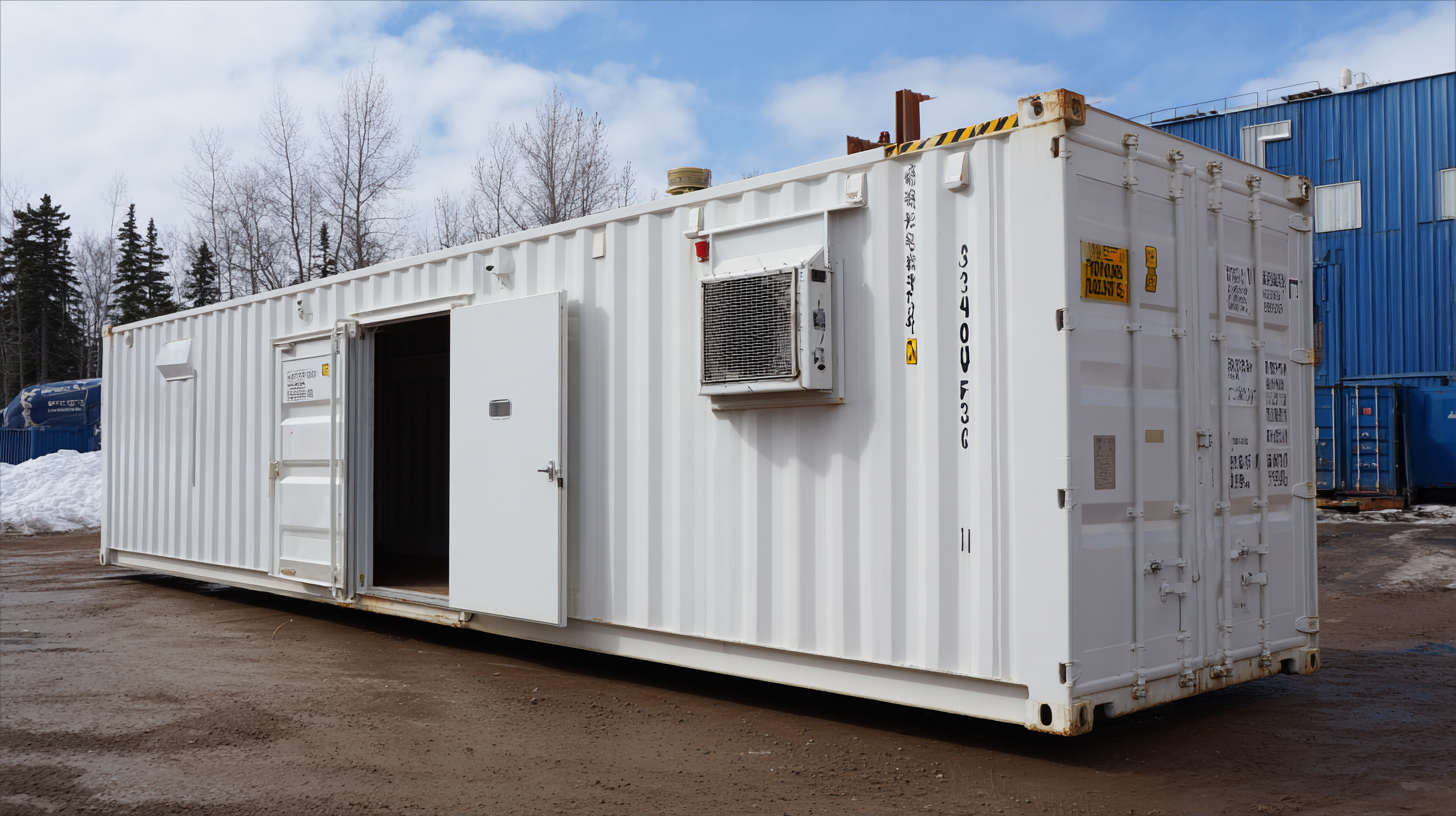
Additionally, the insulation type and thickness play significant roles in maintaining internal temperatures during transit. Look for containers with high R-value materials that offer excellent thermal resistance. Consider the length of transit time as well; longer durations may necessitate advanced features such as phase change materials or active temperature control systems to maintain a stable environment. Finally, evaluate the container's size and capacity to ensure it accommodates your products without excess space, which can lead to temperature fluctuations. By matching the container specifications with your product requirements, you can enhance product integrity during shipping.
Insulated shipping containers offer significant cost advantages for businesses that need to transport temperature-sensitive products. By utilizing these containers, companies can reduce the risk of spoilage or damage, which directly translates into financial savings. Traditional shipping methods often involve substantial losses due to temperature fluctuations, leading to waste and decreased customer satisfaction. Insulated containers mitigate these risks by maintaining optimal temperature ranges throughout the shipping process, meaning less product loss and higher profitability.

Moreover, the use of insulated shipping solutions can lead to more efficient logistics operations. These containers can reduce the need for additional refrigerated transport, thereby decreasing fuel expenses and lowering carbon footprints. Additionally, by ensuring products arrive at their destination in peak condition, businesses can enhance their reputation and foster customer loyalty, potentially leading to increased sales. The initial investment in insulated containers can be offset by these long-term savings, making them a wise choice for companies dealing with perishable goods.
If for some reason you did not find the service or product you need, you can always leave a request for a free consultation and get an answer.