7 Tips for Choosing Bathroom Door Hinges
Choosing Bathroom Door Hinges is a small decision with visible consequences. A hinge must support the door, tolerate humidity, and preserve smooth movement for years. In a damp bathroom, cheap plated metal can discolor, loosen, or develop a sharp squeak. That detail matters.
Market evidence supports careful planning. Houzz’s 2024 U.S. Bathroom Trends Study highlights continued investment in bathroom upgrades, including improved fixtures, storage, and lighting. The National Kitchen & Bath Association also reports strong interest in durable, accessible bathroom designs. These trends increase attention on hardware that users touch every day. Meanwhile, BHMA standards, including A156.1 for hinges, provide useful performance references for architectural hardware. Standards help. They do not replace judgment.
Gary Katz, an architectural hardware educator, offers a practical reminder: “A hinge is small, but its alignment controls the whole door.” The wording is simple. The lesson is not. This guide examines seven important choices, including material, load capacity, corrosion resistance, hinge size, finish, screw quality, and installation conditions. It also considers bathroom doors with mirrors, glass panels, or unusual thicknesses. A hinge that looks premium may still be unsuitable. I have seen product descriptions sound impressive while ignoring door weight and frame alignment. That is an easy mistake.
Good selection begins with the actual door, not the product photograph. Measure carefully. Check the environment. Question attractive claims. Then compare Bathroom Door Hinges using reliable specifications, recognized standards, and practical installation evidence.
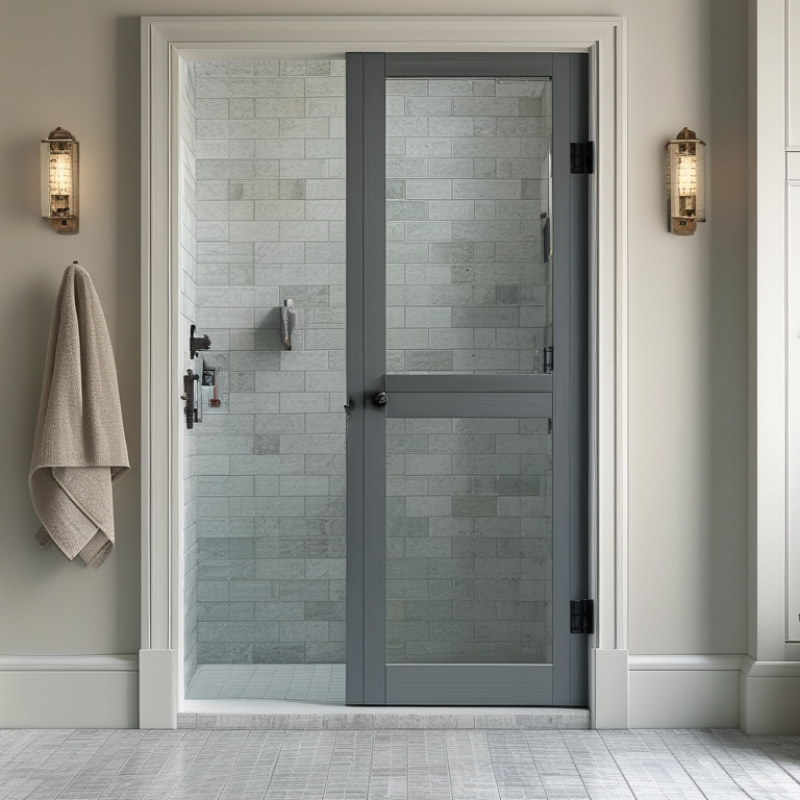
Understanding Bathroom Door Hinge Types and Their Applications
Choosing bathroom door hinges starts with matching the hinge type to the door’s movement, weight, and moisture exposure. Standard butt hinges suit lightweight timber doors with a traditional swing. Use three hinges when the door feels heavy or reaches floor height. Pivot hinges work well for wide doors or compact layouts, because they distribute weight near the top and bottom. They also create a clean, modern movement. Check the swing direction carefully. A small mistake here can waste installation time.
Concealed hinges hide inside the frame and support a minimalist appearance, but they need accurate routing and careful adjustment. Continuous hinges spread the door’s load along its height, making them useful for frequently used or slightly heavier doors. For frameless glass doors, choose hinges designed for the glass thickness and mounting method. Never assume a general-purpose hinge is suitable. Measure the door first. Consider its weight, thickness, clearance, and opening angle. Moisture-resistant stainless steel or corrosion-protected metal is usually more dependable near showers and sinks. Finish matters less than the base material.
Soft-closing hinges reduce slamming and protect nearby tile surfaces. Self-closing models can help doors return to position, but excessive closing force may cause noise or strain. Test the action before final tightening. I once selected a hinge by appearance and overlooked the frame depth. The result looked neat, yet the door rubbed after installation. That mistake still influences my checks: inspect alignment, screw holding strength, and drainage around the hardware. A hinge can be technically strong but poorly suited to daily bathroom use.
Choosing Durable Materials for Humidity and Corrosion Resistance
Bathroom doors face a harsher environment than bedroom doors. Warm steam settles on hinges, then condenses into tiny droplets. Moisture wins slowly. Choose materials that tolerate repeated wetting, not just occasional splashes.
Stainless steel is a dependable option for humid bathrooms. Grade 304 resists everyday moisture and suits most residential interiors. Grade 316 offers stronger corrosion resistance, especially near coastal air or heavy cleaning exposure. Solid brass can also perform well when its protective finish remains intact. Avoid thin plated hardware with exposed edges. Once the coating fails, rust may spread beneath it. That detail matters.
I have seen a good hinge deteriorate because installers ignored the screws. Use corrosion-resistant screws that match the hinge material. Keep the hinge leaves fully aligned, so water does not collect around uneven gaps. After installation, open the door several times and check for rubbing, noise, or loose movement. A small misalignment can become a larger repair later. My first choice was not always right; some attractive finishes required more maintenance than expected.
For reliability, inspect the hinges every few months and wipe away soap residue. Do not rely on appearance alone. A smooth finish can hide early corrosion around the pin or screw holes.
Matching Hinge Design with Door Style and Bathroom Layout
Bathroom hinges should match both the door style and the room’s movement patterns. A heavy glass door needs stronger load support than a lightweight framed door. A compact bathroom also needs a hinge that prevents the door from striking a vanity, toilet, or towel rail. Houzz’s 2024 U.S. Bathroom Trends Study reported that 84% of homeowners hired professionals for bathroom renovations. That figure shows how easily small hardware decisions become installation problems.
Tip 1: Check door weight before choosing hinge size. Tip 2: Use concealed hinges for clean, modern doors. Tip 3: Choose adjustable hinges when alignment may shift. In real installations, humidity can expose weak decisions. A door may sag slowly. It may also scrape the tile after several months. Stainless steel or corrosion-resistant finishes suit wet rooms better, but finish quality still matters more than appearance alone.
Tip 4: Let the bathroom layout decide the swing direction. Tip 5: Use a pivot hinge when a narrow room needs wider clearance. Tip 6: Match visible hinges with the handle and shower fittings. The National Kitchen and Bath Association’s 2024 Bath Design Trends report continues to emphasize accessibility and practical bathroom planning. A wide opening helps, but hardware must move smoothly too. Tip 7: Test the door at full opening before final drilling. I have seen attractive hinges fail because the door clashes with a cabinet. Measure twice. The “perfect” hinge is sometimes the wrong one.
Checking Installation Requirements, Maintenance, and Safety Features
Choosing bathroom door hinges requires more than matching a finish to the faucet. Measure the door’s height, width, thickness, and weight before buying. Check the frame material and existing screw positions. A heavy solid door may need three hinges, but the manufacturer’s load guidance matters more than guesswork. Confirm the hinge swing and door clearance, especially in a small bathroom. The door should not strike a toilet, cabinet, or person standing nearby.
Moisture changes the maintenance routine. Choose corrosion-resistant materials or suitable protective coatings for humid rooms. Stainless steel is useful, but it still needs care. Wipe water from hinge joints and inspect them every few months. Tighten loose screws carefully, without stripping the frame. Use only a lubricant approved for the hinge material. Excess oil can collect dust and stain painted surfaces. I once saw a quiet hinge become noisy after grit entered its joint. Cleaning would have prevented it.
Safety deserves a practical check. Look for smooth edges, secure fasteners, and controlled closing movement. Soft-close features can reduce slamming, but they should not prevent quick opening during an emergency. Test the door from both sides after installation. Make sure it closes fully without binding or dragging. Bathroom doors may need specific swing, ventilation, or accessibility arrangements under local rules. When the frame is damaged or the door is unusually heavy, consult a qualified installer. My earlier preference for hidden hinges was not always wise; difficult adjustment can create a safety problem.
7 Tips for Choosing Bathroom Door Hinges
Checking installation requirements, maintenance, and safety features through key accessibility reference values.
Use corrosion-resistant hinges, confirm the door weight and frame condition, and verify that the hinge layout supports smooth operation. The reference targets shown are based on accessibility requirements in the U.S. ADA Standards, including clear width, maneuvering clearance, threshold height, opening force, closing time, hardware height, and turning space. Local building codes may differ.
