Understanding 40ft Container Dimensions Weight Capacity and Uses
When it comes to shipping and logistics, the 40ft container is a pivotal component that facilitates the transportation of goods across vast distances. Understanding the dimensions, weight capacity, and versatile uses of the 40ft container is essential for businesses and individuals alike who seek efficient solutions for their shipping needs. These containers are designed to optimize space while ensuring the safe transit of a wide range of cargo, making them a preferred choice in the industry.
The standard dimensions of a 40ft container make it an ideal option for a variety of applications, from international shipping to storage solutions. With a substantial weight capacity, it can accommodate bulky and heavy items, enhancing its practicality for transporting large shipments. Moreover, the design of the 40ft container allows for easy stacking and loading, thereby improving operational efficiency in logistics.
In this exploration, we will delve into the essential specifications of the 40ft container, shedding light on its advantages and the diverse scenarios in which it can be utilized. Whether you are new to shipping or looking to optimize your current practices, understanding the ins and outs of the 40ft container will provide valuable insights for managing your logistics effectively.

40ft Container Overview: Definition and General Characteristics
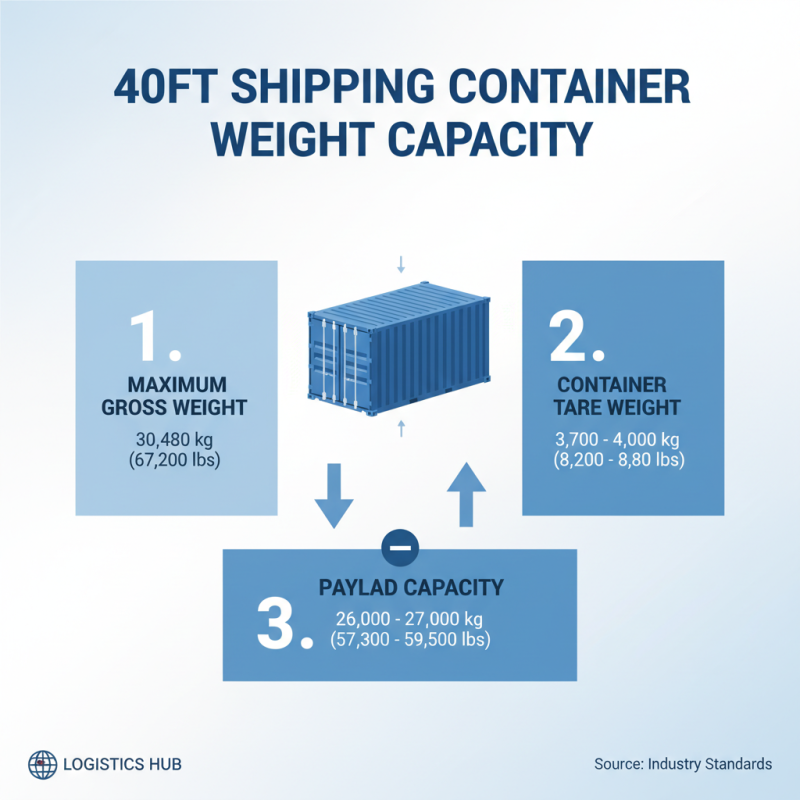
A 40ft container, widely used in the shipping and logistics industry, serves as a versatile solution for transporting a variety of goods across long distances. With a standard exterior dimension of 40 feet in length, 8 feet in width, and 8.5 feet in height, this container provides ample space for bulk cargo. It typically has a maximum weight capacity of around 30,480 kg (67,200 lbs), making it suitable for both heavy and light loads. The interior dimensions slightly reduce this space but still allow for effective packing and organization of various items, whether they are machinery, textiles, or perishables.
Tips: When using a 40ft container, consider the weight distribution of your cargo. Uneven weight distribution can lead to difficulties during transport and unloading. It's advisable to load heavier items on the bottom and lighter items on top to ensure stability. Additionally, secure your cargo properly to prevent any movement that could damage the container or its contents during transit.
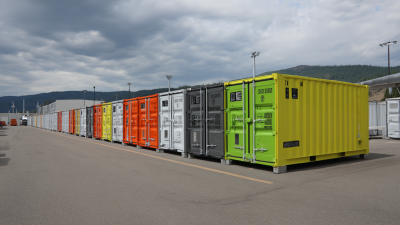
These containers are not just limited to shipping; they can also be repurposed for other uses. Many businesses and individuals have transformed 40ft containers into portable offices, storage units, and even living spaces. This adaptability makes them a valuable asset in various sectors, from construction to retail. Always ensure that the container you choose is in good condition and meets your specific needs, whether for transport or alternative uses.
Standard Dimensions of 40ft Shipping Containers: Length, Width, Height
When discussing the dimensions of a 40ft shipping container, it is essential to focus on its standard measurements, which are crucial for effective logistics and transportation planning. A typical 40ft container measures 40 feet in length, 8 feet in width, and 8.5 feet in height. This standard size allows it to hold a significant volume of goods while remaining manageable for loading and unloading at various ports and terminals. The construction of these containers is designed for strength and durability, making them suitable for diverse shipping conditions.
In some cases, you may encounter a high-cube version of the 40ft container, which has a height of 9.5 feet. This addition provides extra vertical space, accommodating taller cargo without requiring additional containers. Understanding these dimensions is vital for businesses that rely on efficient space utilization, as well as for ensuring compliance with weight limits during transportation. The standard and high-cube containers offer flexibility depending on the specific needs of the shipment, making them a popular choice in the shipping industry. Proper management of container dimensions ensures that goods arrive safely and efficiently at their destination.
Weight Capacity of 40ft Containers: Maximum Load Limits Explained
The weight capacity of a 40ft container is a crucial aspect for businesses engaged in shipping and logistics. Typically, the maximum gross weight for a standard 40ft shipping container is around 30,480 kilograms (67,200 pounds), which includes the weight of the container itself plus its cargo. The tare weight of a 40ft container usually ranges from 3,700 to 4,000 kilograms (8,200 to 8,800 pounds), depending on its construction and specifications. Thus, the payload capacity, which is the actual weight of the goods that can be loaded, is approximately 26,000 to 27,000 kilograms (57,300 to 59,500 pounds).
Understanding these weight limits is vital for ensuring compliance with transportation regulations and for optimizing cargo loads. Overloading a container can lead to safety hazards during transportation, including performance issues with trucks and ships, as well as potential fines from transportation authorities. Therefore, it is essential to balance the weight of the items being shipped while considering the container’s stipulated limits. Ultimately, effective weight management plays a significant role in the overall efficiency of the shipping process, affecting costs, delivery times, and the safety of goods in transit.
Common Uses and Applications of 40ft Containers in Shipping Industry
The 40ft container is a formidable player in the shipping industry, primarily due to its size and versatility. Commonly used for transporting a wide array of goods, these containers are ideal for international shipping, offering sufficient space for items such as furniture, electronics, and bulk commodities. Their dimensions provide shippers with the capacity to optimize loads, reducing shipping costs per unit, which is particularly beneficial for businesses operating on a global scale.
Additionally, 40ft containers can be easily modified for various applications beyond standard shipping. Many companies repurpose these containers for storage solutions, portable offices, and even temporary housing. Their robust construction ensures the safety of the contents during transit, while adaptations can include insulation and climate control for temperature-sensitive products. This adaptability makes the 40ft container not only a fundamental component of logistics but also a practical solution in various sectors, including construction and retail.
Understanding 40ft Container Dimensions, Weight Capacity, and Uses
This chart illustrates key specifications of a standard 40ft shipping container, including its maximum payload, tare weight, overall dimensions, and volume capacity. Understanding these metrics is essential for optimizing logistics and shipping operations in the industry.
Comparative Analysis: 40ft vs Other Container Sizes and Their Uses
When it comes to shipping containers, the 40ft container stands out due to its ample space and weight capacity, which is ideal for transporting large volumes of goods. However, understanding how it compares with other container sizes is crucial for optimizing shipping logistics. For instance, a 20ft container is better suited for smaller shipments or projects where space is limited, while 40ft containers are preferred for bulkier loads such as machinery or furniture. The 40ft container's dimensions allow for significant cubic capacity, enabling businesses to maximize shipment efficiency.
Tips: When deciding between different container sizes, consider the nature of your goods. For lighter, higher-value items, a 20ft container might save costs, while heavier, bulkier goods will benefit from the spaciousness of a 40ft container. Additionally, always evaluate accessibility at the destination—larger containers might require more space for unloading and transportation.
In a comparative context, a 40ft high cube container provides even more vertical space, accommodating taller items or maximizing aerial volume, which is increasingly important for logistics in today’s e-commerce-dominated market. However, for specialized needs like temperature-controlled environments, smaller containers may be more practical. Ultimately, your choice should depend on both the type of cargo and the logistical requirements of the shipment, ensuring you make the most cost-effective decision.