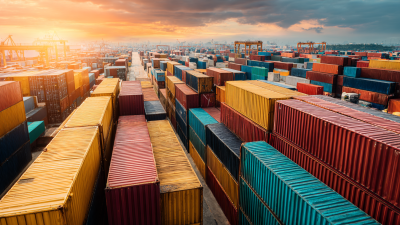
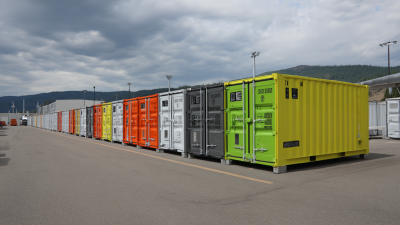
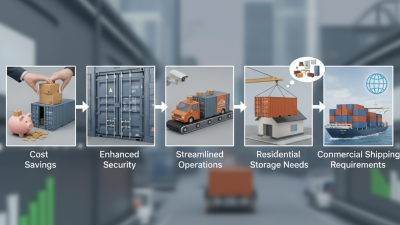
40 foot storage containers are essential in various industries. These robust units are designed for efficient storage and transportation. According to the Containerization International report, the global demand for storage containers has surged by 20% over the last five years. This growth reflects the increasing need for flexible, secure storage solutions.
These containers provide an ideal space for businesses. They are weather-resistant and can be stacked for optimal use. Many companies rely on 40 foot storage containers to manage their inventory efficiently. However, not all businesses utilize them effectively. Some neglect maintenance or choose inappropriate locations for placement. This can lead to wasted space or damage over time.
In urban areas, these containers often face zoning restrictions. Some entrepreneurs overlook local regulations while planning. They may find themselves in tough situations. The key to maximizing the benefits of 40 foot storage containers lies in strategic planning and proper management. It’s important to reflect on how to use these resources wisely.
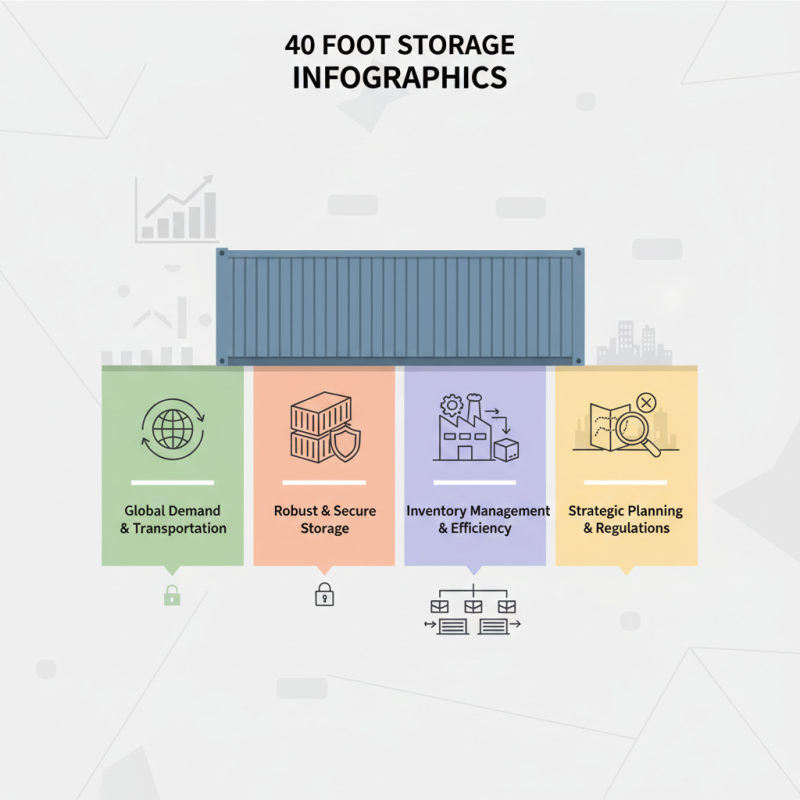
A 40-foot storage container is a versatile solution for various storage needs. Typically made of steel, these containers are secure and durable. They offer a large capacity, roughly equal to 2,390 cubic feet of storage space. This makes them ideal for both commercial and residential purposes.
Using a 40-foot storage container can help when space is limited. Whether you need to store inventory or household goods, these containers can hold a significant amount. Many use them during moves or renovations. They can also serve as temporary offices at construction sites.
Tips: Ensure the container is placed on a level surface. This can prevent damage and enhance accessibility. Also, consider ventilation if storing items for an extended period. Moisture can create problems over time. When loading, distribute weight evenly. This will minimize the risk of tipping or structural issues.
While a 40-foot storage container provides plenty of space, organization is key. Clutter can quickly build up if you are not careful. Use shelves or bins to categorize items. This ensures you can find what you need without sifting through everything. Remember, a well-organized container saves time and frustration in the long run.
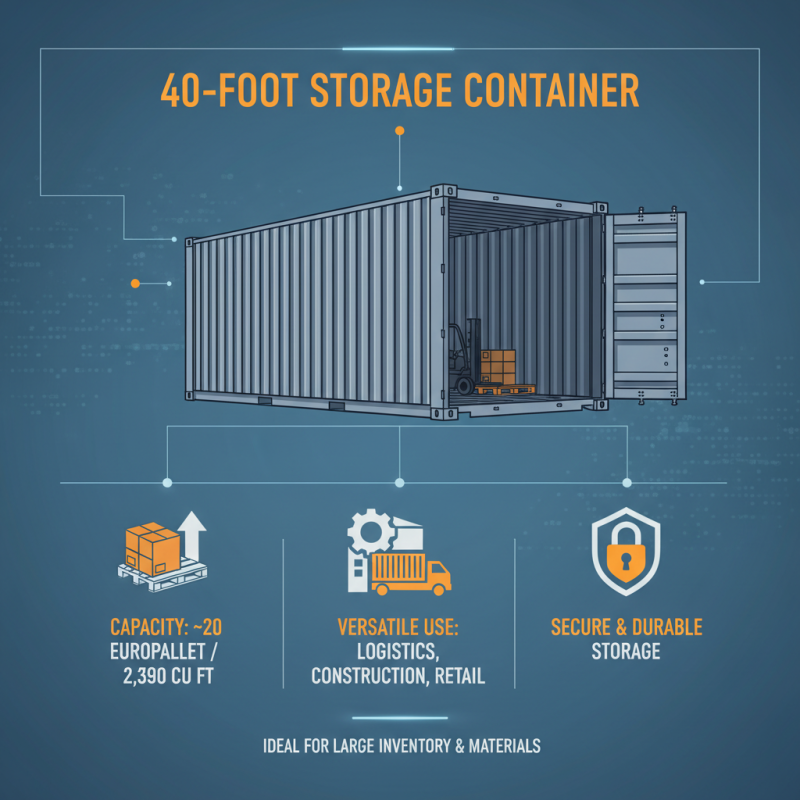
A 40-foot storage container is a popular choice for various storage needs. These containers are versatile and widely used in the logistics, construction, and retail industries. Each unit provides significant storage space, typically around 2,390 cubic feet. This can hold the equivalent of about 20 standard pallets. Their size is ideal for businesses managing large inventories or construction materials.
Key features of 40-foot storage containers include durability and weather resistance. Constructed from 14-gauge steel, these containers are designed to withstand harsh conditions. Moreover, their corrugated design reduces the risk of water intrusion, making them suitable for outdoor storage. According to industry reports, over 70% of companies prefer metal containers for their reliability and security.
Additionally, many containers come with customizable options. Features such as ventilation systems and insulation can be added based on specific needs. However, choosing the right container may not always be straightforward. Some buyers may overlook factors like location and transportation costs. Reflecting on these details can ensure a better fit for your storage requirements. The goal is to find a container that meets both your space and budget constraints effectively.
A 40-foot storage container is a versatile tool. It can serve multiple purposes across various industries. Construction sites widely use these containers. They store equipment, tools, and materials safely on-site. According to industry reports, around 80% of construction projects benefit from secure storage solutions.
Additionally, businesses often utilize these containers for inventory management. Retailers find them great for seasonal stock. Reports estimate that over 50% of retailers use containers to optimize space. This helps them avoid excessive rent costs for larger warehouses.
Some people use 40-foot containers for personal storage. They are ideal for moving, renovations, or simply decluttering. However, not all users maximize their space efficiently. Sometimes, containers remain underutilized, bringing unexpected challenges. This highlights the importance of planning and organization in storage solutions.
A 40-foot storage container is a versatile solution for various storage needs. Many businesses and individuals choose these containers for their spacious interiors. They provide ample room for storing equipment, furniture, or goods. The standard size allows for easy transportation by truck or ship. This makes them popular for temporary sites like construction projects or events.
One major benefit of using a 40-foot container is its durability. These containers are built from strong steel, protecting their contents from weather and theft. They are also stackable, which saves space at storage facilities. Furthermore, they can be customized with shelving systems to organize items better. However, some users find that without proper organization, it can quickly become chaotic.
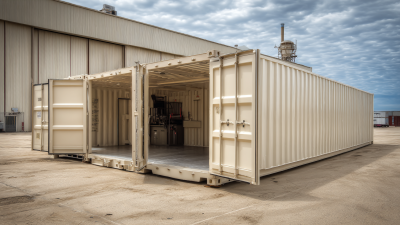
Accessibility is another key advantage. With easy access from both ends, you can quickly retrieve what you need. This is especially beneficial if you have frequent turnover of items. On the downside, containers can become cluttered over time, requiring regular maintenance. A little planning can prevent this. Overall, the efficiency and security they offer can greatly enhance your storage options.
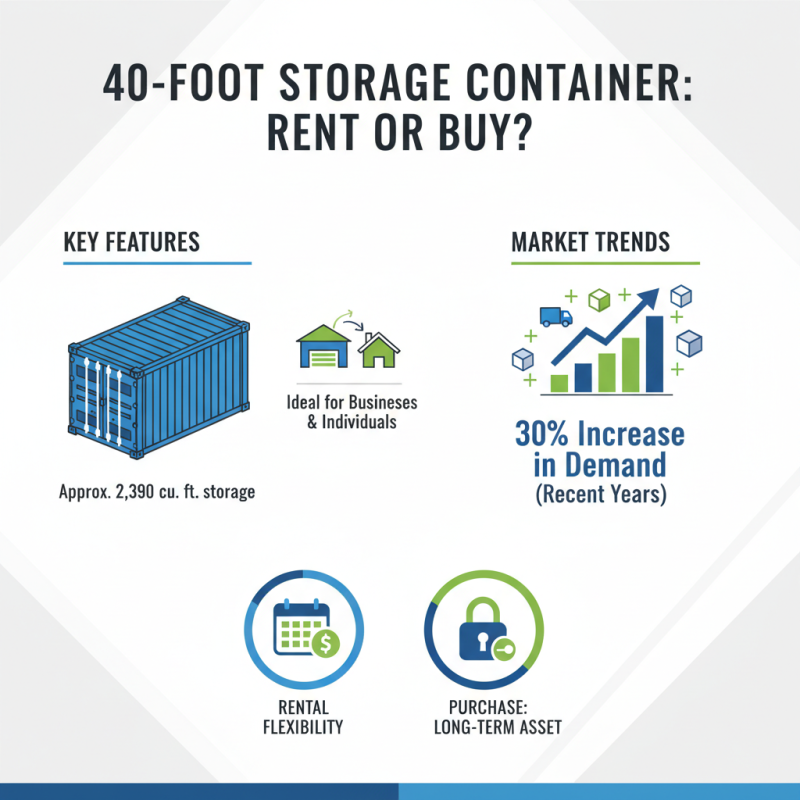
When considering the rental or purchase of a 40-foot storage container, several key aspects come into play. These containers provide ample storage space, typically offering around 2,390 cubic feet. This makes them ideal for businesses and individuals needing substantial room for equipment or goods. According to industry reports, the demand for storage containers has increased by approximately 30% in recent years, highlighting their practicality.
However, it’s crucial to evaluate the container's condition before making a commitment. Many containers can show signs of wear, rust, or damage. These factors can affect both cost and security. Reports indicate that around 15% of customers face issues related to container integrity. Additionally, think carefully about your logistics. The accessibility of the location where the container will be placed is vital.
Space isn’t always available, leading to challenges. Environmental factors like flooding or extreme temperatures can damage stored items. It's also wise to consider rental duration and overall costs. Some renters find that unexpected fees arise, which can affect budgets. Ensuring clarity in contracts can prevent misunderstandings. Choosing a 40-foot container requires thoughtful planning and informed decisions to avoid common pitfalls.
If for some reason you did not find the service or product you need, you can always leave a request for a free consultation and get an answer.